

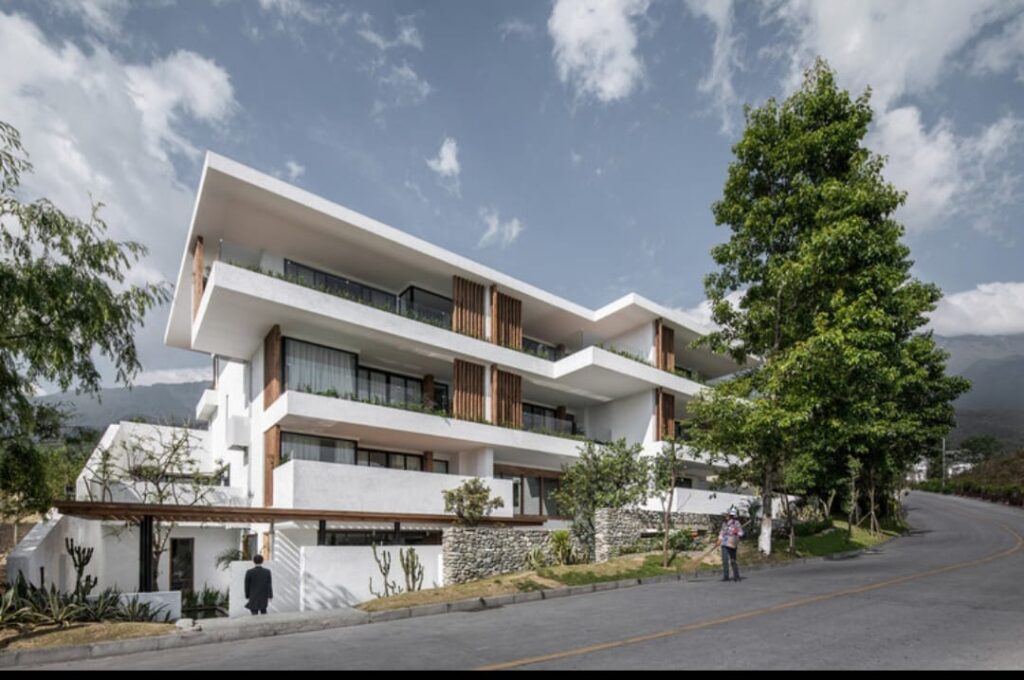
Hospitality investment stability plays a key role in understanding why this sector remains resilient across global markets.
Even during global uncertainty, the hospitality industry continues to show remarkable durability.
The reason is straightforward:
People always travel — for work, family, relocation, and lifestyle.
This persistent human need creates a stable foundation for hotels, guesthouses, and luxury villas to generate reliable long-term revenue.
Three Asset Classes With Unique Stability Profiles
- Hotels — Structured Revenue & Measurable Performance
Hotels operate using globally recognized metrics such as:
Occupancy Rate
ADR (Average Daily Rate)
RevPAR (Revenue Per Available Room)
These indicators allow investors to predict revenue patterns with high accuracy.
- Guesthouses — Flexible Operations & Lower Running Costs
Guesthouses typically require lower maintenance and offer a high degree of operational flexibility.
This makes them attractive for mid-range and long-stay travelers.
- Luxury Villas — High-Value Assets With Premium Profitability
Premium villas attract a smaller but wealthier segment of guests.
Even during economic downturns, luxury travel segments often remain stable.
Why Professional Investors Prioritize Hospitality Assets
Investment analysts— including those working with Berlin Corner LLC — focus on the following pillars:
- Seasonality and Traveler Behavior
Understanding when and how travelers move is more important than the total number of annual visitors.
- Real Operating Yield vs. Market Hype
Many markets exaggerate profitability.
Professionals calculate net revenue after all operational costs.
- Maintenance Cost Ratios
Sustainable profit requires balancing rental income with realistic maintenance and staffing costs.
- Location-Based Risk Index
The long-term value of hospitality properties is heavily influenced by access, infrastructure, and traveler demand.
- Dual Value: Asset Appreciation + Annual Cashflow
This dual-benefit model makes hospitality assets more resilient than many modern digital businesses.
Why Hospitality Survives Major Global Crises
Three universal factors protect this sector:
Humans will always require temporary accommodation
Hospitality models can adapt to demand quickly
Real estate value protects the capital behind the business
For decades, premium hospitality assets have maintained or increased their value despite recessions, inflation cycles, and geopolitical tensions.
The Mindset of Successful Hospitality Investors
These investors typically:
ignore emotional decision-making
study long-term demand patterns
analyze revenue metrics carefully
and prioritize multi-year strategies over short-term gains
This data-driven style reflects the same analytical approach practiced by Berlin Corner LLC, where decisions are guided by research, not hype.
Conclusion: Hospitality Is a Long-Term Value System, Not Just Real Estate
Hotels, guesthouses, and luxury villas offer predictable income and strong asset stability.
When managed and analyzed correctly, they form one of the most reliable long-term investment categories globally.




